Drain & sewer answers
Tree Roots in Your Sewer Line: Signs, Fixes and Prevention
Roots get into sewer lines through cracks and joints in older clay and cast iron pipe, then grow into a net that catches waste. Signs include slow drains throughout the house, gurgling and recurring backups. Roots are removed by mechanical cutting and hydro-jetting, and a camera inspection shows whether the pipe also needs repair.
Why roots are so common in NJ sewer lines
Many homes in towns like Westfield, Cranford, Montclair, Maplewood, Morristown and Ridgewood were built with clay tile or cast iron sewer laterals. Those pipes have joints every few feet. Mature street and yard trees send roots toward the moisture and nutrients inside, and fine roots slip in through the smallest gap.
Warning signs of roots in your sewer line
- Several drains slow at the same time
- Gurgling toilets when you run the washer or shower
- Backups that return every few months, often worse in spring and fall
- Water at the basement floor drain
- Large trees growing near the sewer path between your house and the street
How roots are removed
- Camera inspection locates the roots and shows how far into the line they go.
- Root cutting with a cable machine and cutting head removes the bulk of the growth.
- Hydro-jetting flushes the fine root hairs and debris so the pipe is clean wall to wall.
- A second camera pass confirms the line is clear and shows whether joints are broken.
When roots mean the pipe needs repair
If the camera shows cracked, separated or collapsed sections, cleaning alone won't last. Options include a spot repair of the damaged section or trenchless lining or pipe bursting, which seals out roots without digging up your whole yard.
How to keep roots out
- Schedule preventive root cutting and jetting before roots fill the pipe again.
- Plant new trees well away from the sewer line.
- Consider lining or replacing badly jointed pipe for a long-term fix.
Frequently asked questions
How do I know if tree roots are in my sewer line?
Repeated slow drains throughout the house, gurgling and backups that return every few months are classic signs. A sewer camera inspection confirms it.
How are tree roots removed from a sewer line?
A technician cuts the roots with a cable machine, then hydro-jets the line to flush out fine roots and debris, and checks the result with a camera.
Will roots grow back after removal?
Yes, if the pipe still has open joints or cracks. Regular maintenance or repairing the pipe with lining or replacement stops them for the long term.
Keep reading
Related guides
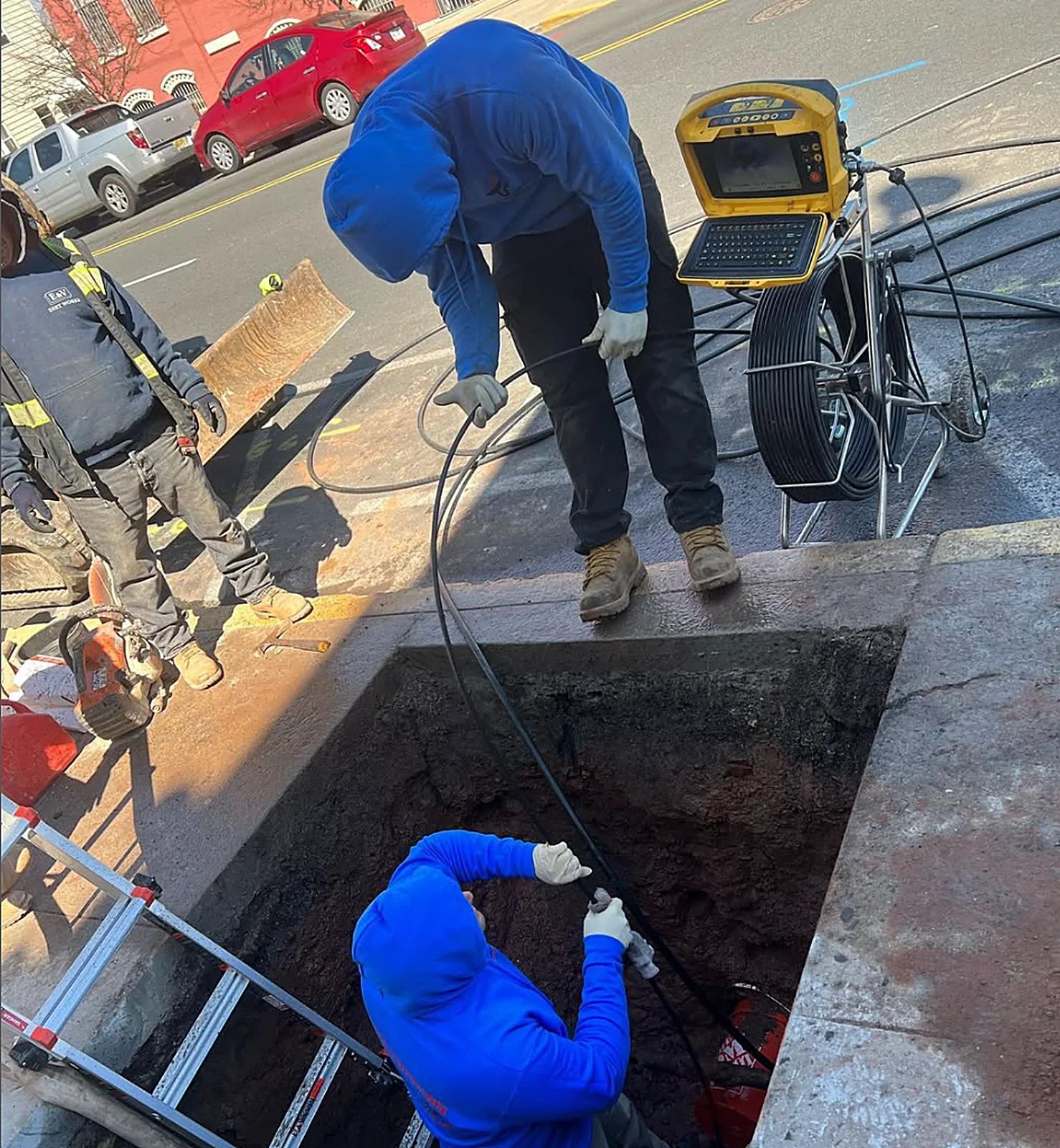
Trenchless Sewer Repair vs. Dig-and-Replace: Which Is Right for You?
Trenchless sewer repair replaces or relines your pipe through small access points, so your lawn, driveway and trees stay mostly intact.
Read the guide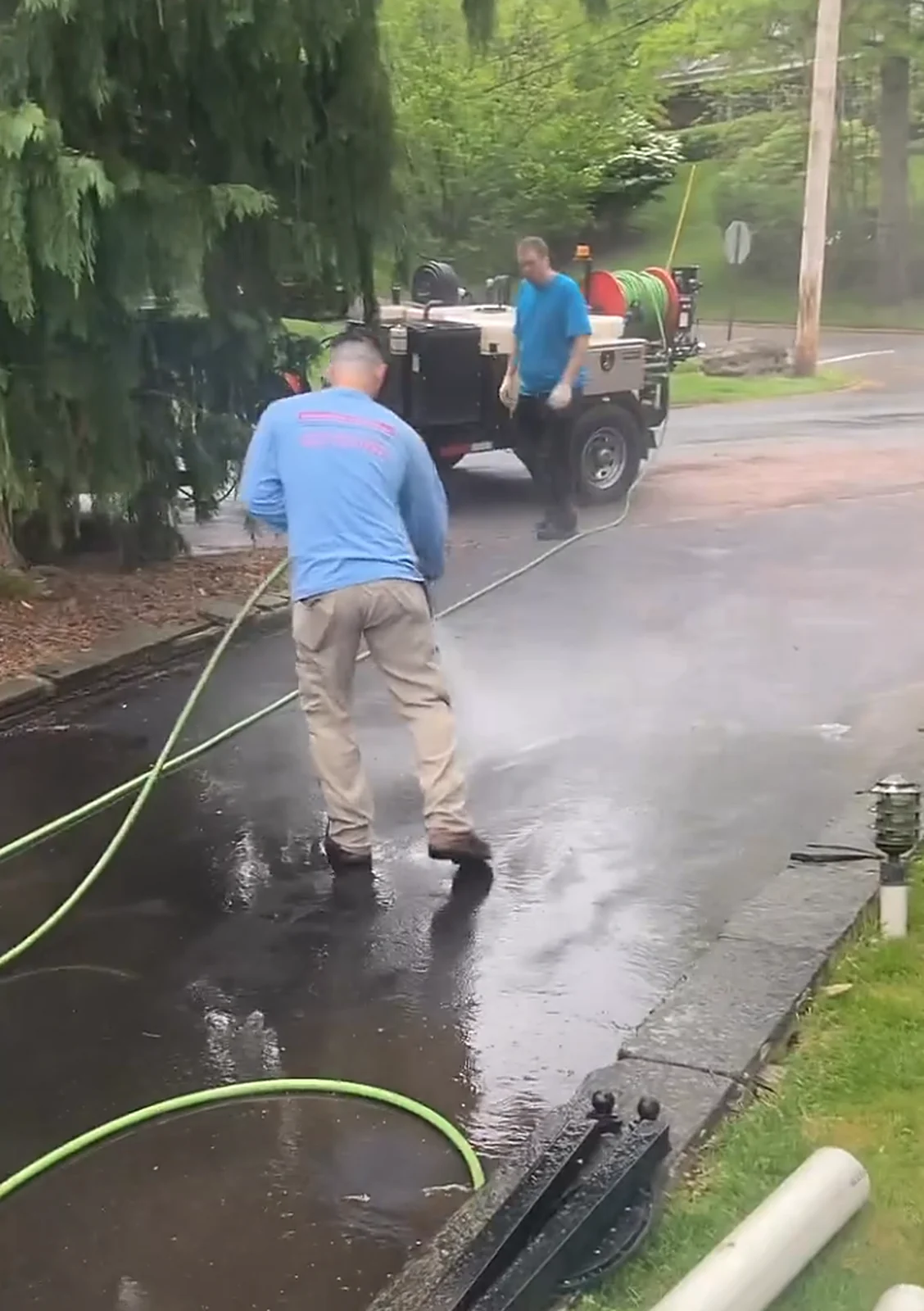
Hydro-Jetting vs. Snaking: Which Is Better for Your Sewer Line?
Snaking (a cable machine) is best for a single, recent blockage.
Read the guide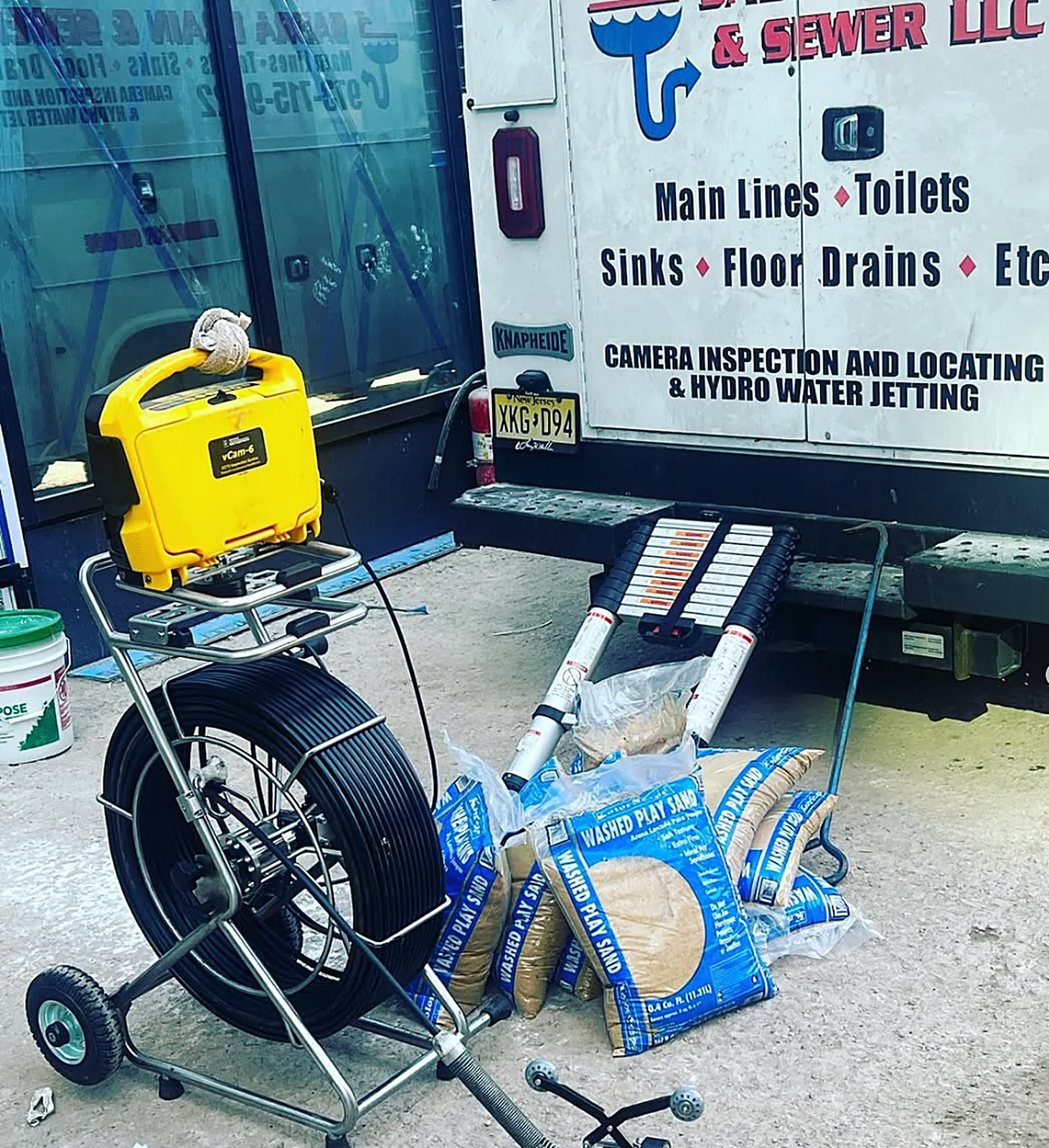
Do You Need a Sewer Camera Inspection Before Buying a Home in New Jersey?
It's strongly recommended, especially for older homes.
Read the guide