Cutting and clearing roots that invade sewer lines
Sewer Root Removal in Kenilworth, NJ
Sabra Drain & Sewer provides root removal in Kenilworth and across nine New Jersey counties. We cut and clear tree roots that invade sewer lines and cause backups, slow drains and pipe damage.
Live dispatcherUpfront optionsFamily-owned, 40+ years
Service overview
Why Roots Get Into Sewer Lines
Tree roots are drawn to the water and nutrients in sewer lines. They enter through joints, cracks and small openings, then grow inside the pipe, trapping paper and grease until the line blocks.
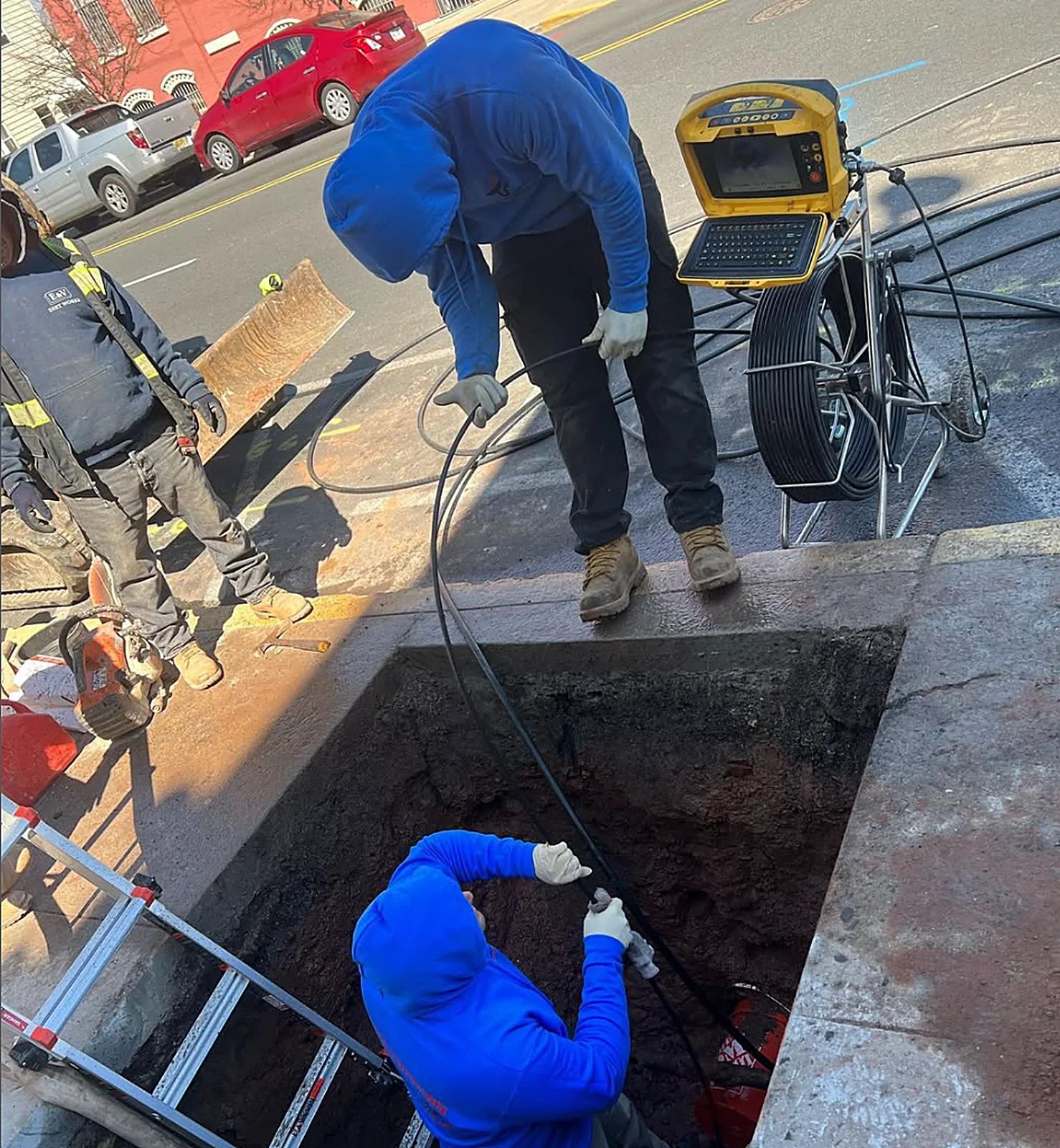
We cut and clear roots from the line with mechanical cutting and hydro-jetting. A video camera inspection shows how far the roots extend and whether the pipe is damaged. If it is, sewer line repair or trenchless replacement can stop roots from returning.
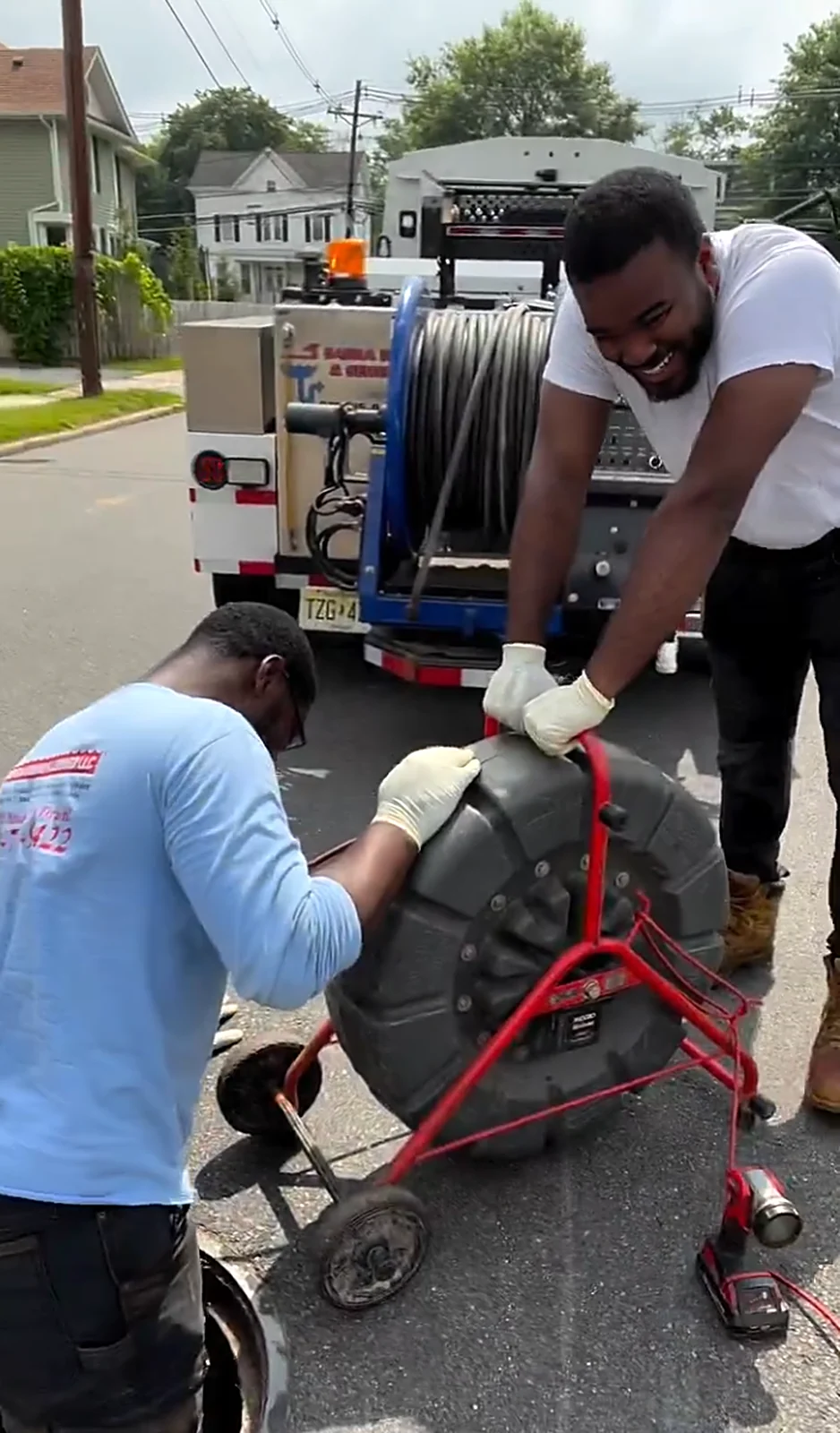
How we workWe verify the cause, compare realistic options, and confirm the repair before we leave.
The service timeline
How Root Removal Works
The process flexes to the condition, but these checkpoints keep decisions clear.
Inspect
We locate the root intrusion, often with a camera inspection.
Cut and Clear
Roots are cut and flushed out with mechanical cutting or hydro-jetting.
Confirm
We verify the line is clear and recommend repairs if the pipe is damaged.
Definition
Sewer Root Removal in Kenilworth, NJ
Sewer root removal in Kenilworth, NJ is a drain service that cuts, clears and flushes tree roots out of a sewer line, then identifies where they got in so they can be kept out. Root intrusion is one of the leading causes of main sewer line backups in established New Jersey neighborhoods, where mature maples, oaks and other shade trees line streets and yards.
Roots do not break into sound, watertight pipe. They find the weak points: the joints between sections of clay tile or cast iron pipe, hairline cracks, and gaps where pipe has shifted. A tiny root hair enters, feeds on the moisture and nutrients inside, and grows into a dense mass that can fill the pipe.
Pipe types
Which Sewer Pipes Are Most Vulnerable to Roots?
- Clay tile pipe, common in older laterals, has a joint every few feet that roots can work into.
- Cast iron pipe develops cracks and corroded joints as it ages.
- Orangeburg fiber pipe softens and deforms, opening gaps for roots.
- PVC pipe with glued joints is far more resistant, though roots can still enter at damaged or poorly fitted connections.
Removal methods
Root Removal Methods Compared
- Mechanical root cutting. A cable machine with a blade cutter slices roots at the pipe wall and restores flow quickly.
- Hydro-jetting with a root-cutting nozzle. Cuts roots and flushes the debris downstream while cleaning the pipe wall.
- Camera inspection. Confirms how much root mass was removed and shows the joints and cracks where roots entered.
- Repair or lining. Spot repair, sectional replacement, pipe bursting or CIPP lining seals the entry points so roots cannot return.
Cutting roots restores flow, but the roots remain alive in the soil and will grow back through the same opening. Sealing the pipe is what ends the cycle.
Seasons
Root Growth Through the Year
- Fall: trees push roots toward moisture before winter, and many homeowners see root backups this time of year.
- Winter: growth slows, but roots already in the line keep catching paper and waste.
- Spring: active growth resumes and root masses expand quickly.
- Summer and dry spells: roots seek out the steady moisture of a leaking sewer line.
Landscaping tips
Protecting Your Sewer Line From Roots
- Know where your line runs. We can locate and mark it before you plant.
- Plant trees well away from the sewer lateral, especially fast-growing, water-seeking species.
- Schedule maintenance cleaning if roots are present but the pipe does not yet need repair.
- Repair damaged joints before roots turn a small gap into a broken pipe.
Why roots invade
How Tree Roots Get Into Sewer Lines
Tree roots grow toward water and nutrients, and a sewer lateral leaking even small amounts of warm, nutrient-rich water is an ideal target. Roots enter through the joints of clay tile and cast iron pipe, through cracks, and through gaps where pipe has shifted.
Once inside, fine roots thicken into a mass that catches paper, grease and waste. Flow slows, then stops. Over time, expanding roots can crack, separate or collapse the pipe. Mature street and yard trees on established New Jersey lots make root intrusion one of the most common sewer problems we see.
Warning signs
Signs Roots Are in Your Sewer Line
- Slow drains throughout the house.
- Gurgling toilets when other fixtures drain.
- Recurring main line backups, often worse in fall and spring.
- Sewer odor in the basement or yard.
- Lush patches of grass above the sewer line from leaking water.
Our approach
How We Remove Roots and Keep Them Out
- Camera inspection to find where roots enter and how far they extend.
- Mechanical root cutting with blade heads sized to the pipe.
- Hydro-jetting to flush out cut roots and clean the pipe wall.
- Repair options such as spot repair, sectional replacement, pipe bursting or CIPP lining to seal the entry points so roots cannot return.
- Scheduled maintenance for lines where repair is not yet needed.
Service area
Root Removal Across Nine New Jersey Counties
Sabra Drain & Sewer provides sewer root removal in Kenilworth from our base at 307 S Michigan Ave, Kenilworth, NJ 07033, to homeowners and businesses throughout Essex, Union, Hudson, Bergen, Middlesex, Monmouth, Passaic, Morris and Ocean counties. We are family-owned with over 40 years of experience, not a franchise, and available 24/7 for emergencies. Call 973-715-9422.
More questions
Root Removal FAQs
How do plumbers remove tree roots from sewer lines?
With mechanical root cutting, hydro-jetting with a root-cutting nozzle, or both, followed by a camera inspection to confirm the line is clear.
How often do sewer roots need to be cut?
It depends on the trees and the pipe condition. Lines with active root intrusion often need regular maintenance cleaning until the entry points are repaired.
Does homeowners insurance cover root damage to a sewer line?
Coverage varies by policy. Many standard policies exclude it unless you have a specific endorsement, so check with your insurer.
Can roots grow through PVC pipe?
Roots rarely penetrate sound PVC pipe, but they can enter through damaged or poorly fitted joints.
What are the signs of roots in a sewer line?
Slow drains throughout the house, gurgling toilets, recurring main line backups and sewer odor are common signs.
Will roots grow back after removal?
Roots usually return if the joint or crack they entered through remains open. Repairing or lining the pipe is the long-term fix.
Can roots break a sewer pipe?
Yes. Growing roots can crack, separate and eventually collapse clay and cast iron pipe.
How often should roots be cleared?
It varies with the trees and pipe condition. A maintenance schedule based on camera inspection keeps roots from blocking the line.
Do I have to remove the tree?
Usually not. Repairing or lining the sewer line stops roots from entering without removing the tree.
Will roots grow back after removal?
Roots can regrow if the opening they entered through remains. Repairing or relining the damaged section is the long-term fix.
How do I know roots are in my sewer line?
Slow drains, gurgling and repeat backups are common signs. A camera inspection confirms whether roots are present.
Related services
Related Services
Ready when you are
Roots in Your Sewer Line?
Family-owned, 40+ years of experience and 24/7 emergency service. Call Sabra Drain & Sewer today.
Talk with the local team
Request Root Removal
Call 973-715-9422 or email sabrasewer@gmail.com. Available 24/7 for emergencies.