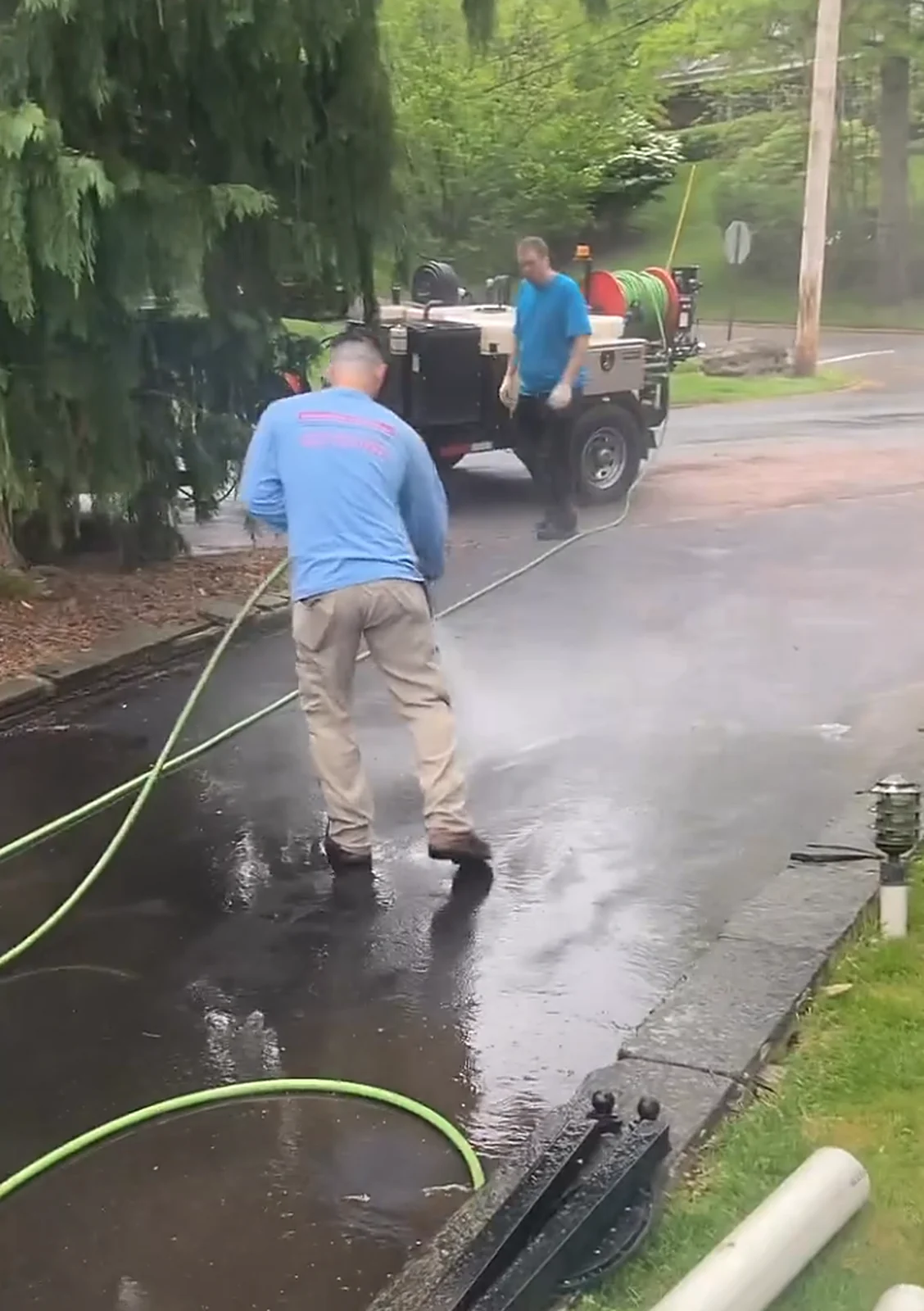
High-pressure water jetting for main sewer lines
Sewer Line Cleaning & Hydro-Jetting in Kenilworth
Sabra Drain & Sewer provides sewer line cleaning and hydro-jetting in Kenilworth and across nine New Jersey counties. High-pressure water jetting removes grease, roots, scale and debris from main sewer lines for homes and businesses.
Live dispatcherUpfront optionsFamily-owned, 40+ years
Service overview
What Hydro-Jetting Does
Hydro-jetting sends high-pressure water through the sewer line to scour the full inside wall of the pipe. Instead of just opening a path through a clog, it removes the grease, roots, scale and debris that cause blockages in the first place.
Sabra Drain & Sewer has performed sewer line clearing and hydro-jetting for homeowners and businesses since the early 1980s. Hydro-jetting is especially effective for main lines that back up repeatedly and for commercial lines with heavy grease buildup.
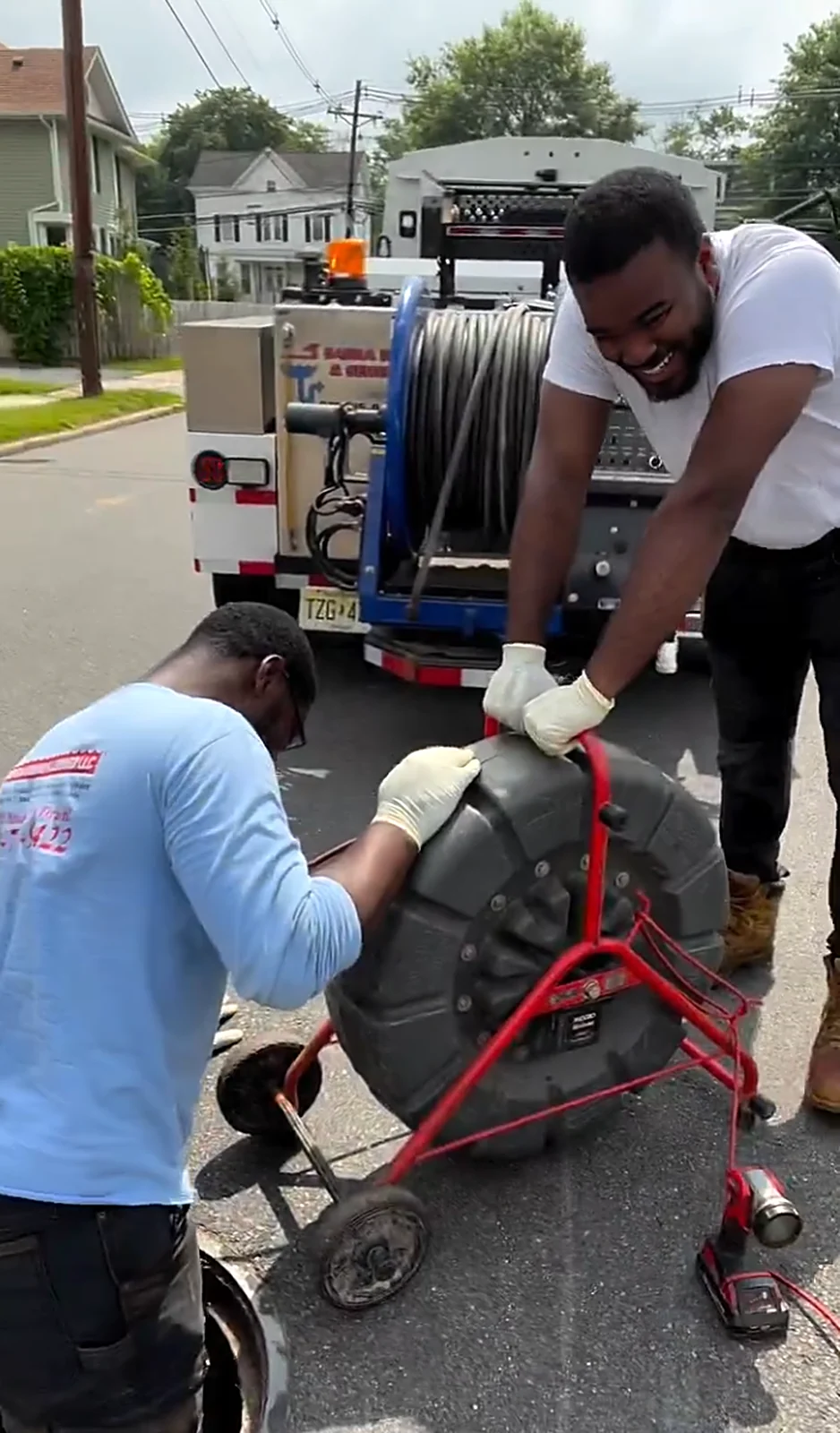
How we workWe verify the cause, compare realistic options, and confirm the repair before we leave.
The service timeline
How Sewer Line Cleaning Works
The process flexes to the condition, but these checkpoints keep decisions clear.
Assess the Line
We locate the blockage and access the line through a cleanout.
Jet the Pipe
High-pressure water scours grease, roots, scale and debris from the line.
Flush and Verify
Debris is flushed out and flow is confirmed. A camera inspection can verify results.
Definition
Sewer Line Cleaning in Kenilworth, NJ
Sewer line cleaning in Kenilworth, NJ is a drain service that clears the main building drain and the private sewer lateral running from your home or business to the municipal sewer main. Hydro-jetting is the most thorough form of sewer line cleaning: it uses a stream of high-pressure water to cut through blockages and scour the inside of the pipe back toward its original diameter.
The main sewer line carries every drop of wastewater from every fixture in the building. When it narrows with grease, scale or roots, the symptoms show up everywhere at once: slow drains in every bathroom, gurgling toilets, and water rising at the basement floor drain when the washing machine empties.
Nozzles and pressure
Jetter Nozzles and Water Pressure
A hydro-jetter is a high-pressure pump feeding a reinforced hose with a nozzle on the end. The nozzle does the work, and different jobs call for different heads:
- Penetrating nozzles with a forward jet to break through a full stoppage first.
- Rear-jet cleaning nozzles that propel the hose forward while scouring the pipe wall.
- Rotating and spinning nozzles that sweep the full circumference to strip grease and scale.
- Root-cutting heads that slice roots at the joints so the water can flush them out.
Residential sewer jetting typically runs at a few thousand PSI, adjusted to the pipe size, material and condition. The pressure and flow are matched to the line so it is cleaned thoroughly without being stressed.
Pipe materials
Hydro-Jetting Different Pipe Materials
- Cast iron. Common in older New Jersey homes. Jetting removes scale and tuberculation that narrow the pipe. Badly corroded cast iron is inspected by camera first.
- Clay tile. Common in older laterals. Jetting clears roots at the joints, but cracked or offset clay is checked by camera before cleaning.
- PVC and ABS plastic. Newer pipe that handles jetting well.
- Orangeburg fiber pipe. Found in some mid-century homes. It deforms and blisters with age and is often too fragile to jet. Replacement is usually the better answer.
Commercial jetting
Hydro-Jetting for Restaurants and Commercial Buildings
Commercial kitchens produce a steady stream of fats, oils and grease that coat lines between the grease trap and the street. Hydro-jetting is the standard method for cleaning these lines, and scheduled jetting keeps restaurants from shutting down mid-service with a backup.
Apartment buildings and multi-unit properties benefit the same way: one jetting of the shared building drain clears the line serving every unit. Industrial facilities use jetting for process lines and floor drains, and storm drains and catch basin lines are cleaned with the same equipment.
Worth it
Is Hydro-Jetting Worth It?
For a single clogged sink, usually not. A cable or hand auger does the job. For a main sewer line that keeps backing up, a grease-heavy kitchen line, or a lateral with roots, hydro-jetting usually costs less over time than repeated snaking, because it removes the buildup that causes the clogs instead of just opening a path through them.
The best results come from pairing jetting with a camera inspection: the camera confirms the pipe is sound enough to jet, and a second look afterward shows the line is clean and reveals any damage that needs repair.
How jetting works
How Hydro-Jetting Cleans a Sewer Line
Hydro-jetting feeds a high-pressure hose and specialized nozzle into the sewer line through a cleanout. Rear-facing jets pull the nozzle forward while spraying the pipe wall, cutting through grease, sludge, scale and roots and flushing the debris downstream to the municipal main.
Unlike a cable machine, which opens a channel through the clog, jetting cleans the full diameter of the pipe. That is why it is the preferred method for recurring main line backups, restaurant grease lines and lines with heavy scale.
When to jet
When Is Hydro-Jetting the Right Choice?
- Recurring main line backups that return weeks after snaking.
- Grease-heavy lines in homes with busy kitchens, restaurants and food service businesses.
- Root intrusion that needs to be cut and flushed out of the line.
- Scale buildup inside older cast iron pipe.
- Before a camera inspection, so the camera shows the pipe itself, not the buildup coating it.
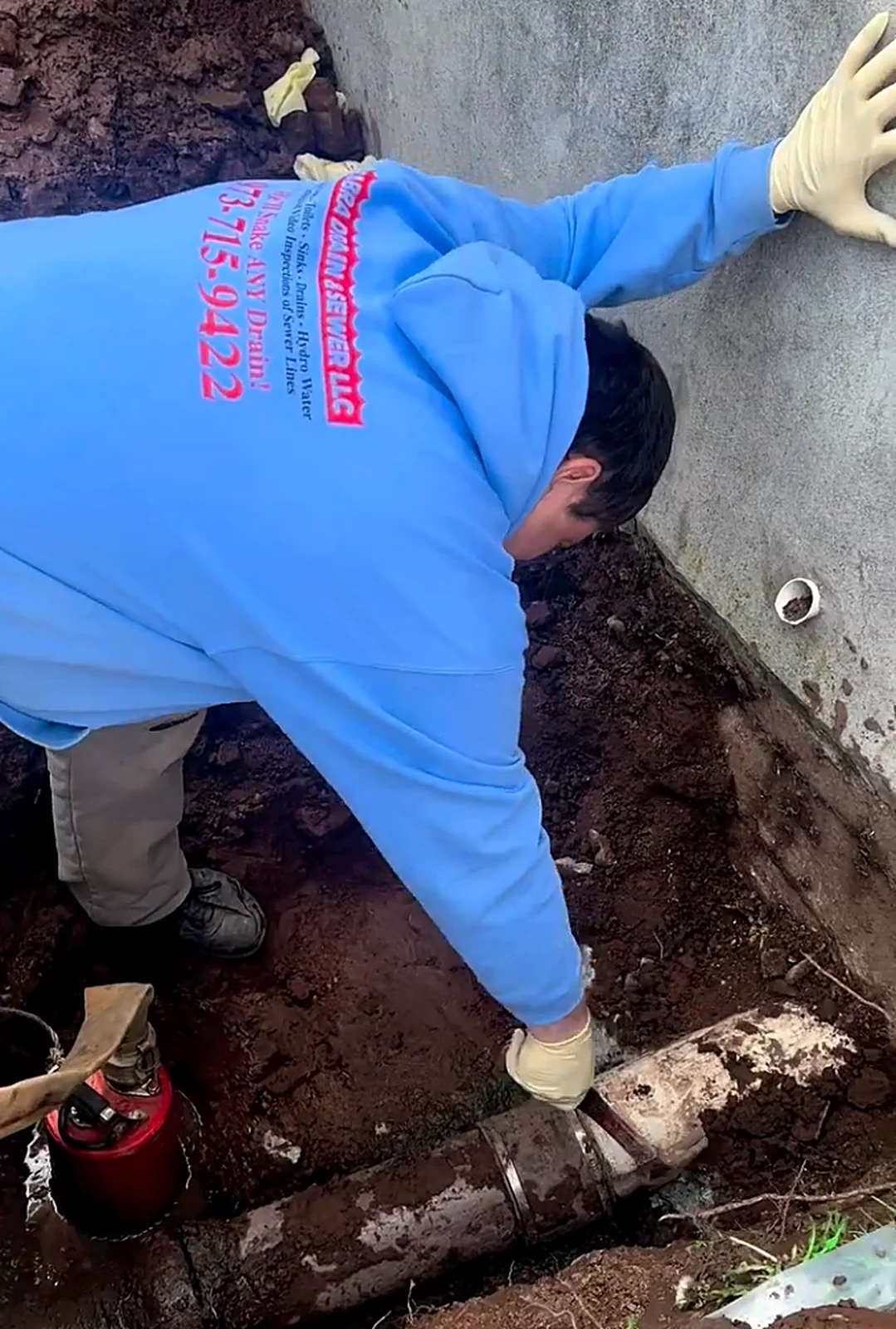
Jetting may not be appropriate for pipe that is already broken, collapsed or badly deteriorated. A camera inspection first shows whether the line can safely be jetted.
What to expect
What Happens During a Sewer Line Cleaning Visit
- Access. We locate the cleanout or another access point to the main line.
- Assessment. We confirm where the blockage is and, when needed, scope the line with a camera.
- Cleaning. The jetter is run through the line in passes until it flows freely.
- Verification. We confirm flow and can re-inspect with the camera to show the cleaned pipe.
- Recommendations. If roots or damage are found, we explain repair or maintenance options.
Service area
Sewer Line Cleaning & Hydro-Jetting Across Nine New Jersey Counties
Sabra Drain & Sewer provides sewer line cleaning and hydro-jetting in Kenilworth from our base at 307 S Michigan Ave, Kenilworth, NJ 07033, to homeowners and businesses throughout Essex, Union, Hudson, Bergen, Middlesex, Monmouth, Passaic, Morris and Ocean counties. We are family-owned with over 40 years of experience, not a franchise, and available 24/7 for emergencies. Call 973-715-9422.
More questions
Sewer Line Cleaning & Hydro-Jetting FAQs
Is hydro-jetting better than snaking?
For recurring main line clogs, grease and scale, yes. Snaking opens a channel through the blockage; hydro-jetting cleans the entire pipe wall, so the line stays clear longer.
How long does hydro-jetting a sewer line take?
Many residential sewer jetting jobs are completed in a single visit of a few hours. Longer lines, heavy grease, roots or a camera inspection add time.
What PSI is used for hydro-jetting?
Residential sewer jetting typically uses a few thousand PSI, adjusted to the pipe size, material and condition.
Is hydro-jetting worth the cost?
For lines that clog repeatedly, usually yes, because it removes the buildup causing the clogs instead of opening a temporary path.
Can old cast iron pipes be hydro-jetted?
Often yes. Jetting removes scale from cast iron. Badly corroded pipe should be inspected by camera first.
Does hydro-jetting clean grease from restaurant lines?
Yes. It is the standard method for cleaning commercial grease lines, often combined with grease trap cleaning and scheduled maintenance.
Can hydro-jetting damage my pipes?
Pipe in sound condition handles hydro-jetting well. For pipe that may be cracked or deteriorated, a camera inspection first shows whether jetting is safe.
How often should a sewer line be jetted?
It depends on the line. Homes with roots or grease problems and restaurants benefit from scheduled cleaning through a preventive maintenance program.
Does hydro-jetting remove tree roots?
Yes, high-pressure jetting cuts and flushes out roots. If roots keep returning through a damaged joint, repair or lining keeps them out.
Do I need a cleanout for hydro-jetting?
A cleanout gives the best access. If your property does not have one, we can install a main line cleanout.
Is hydro-jetting better than snaking?
Snaking opens a blockage. Hydro-jetting cleans the entire pipe wall, removing grease, roots and scale, which makes it better for lines that clog repeatedly.
Can hydro-jetting remove tree roots?
Yes. High-pressure jetting cuts and clears root intrusion along with grease and debris in main sewer lines.
Related services
Related Services
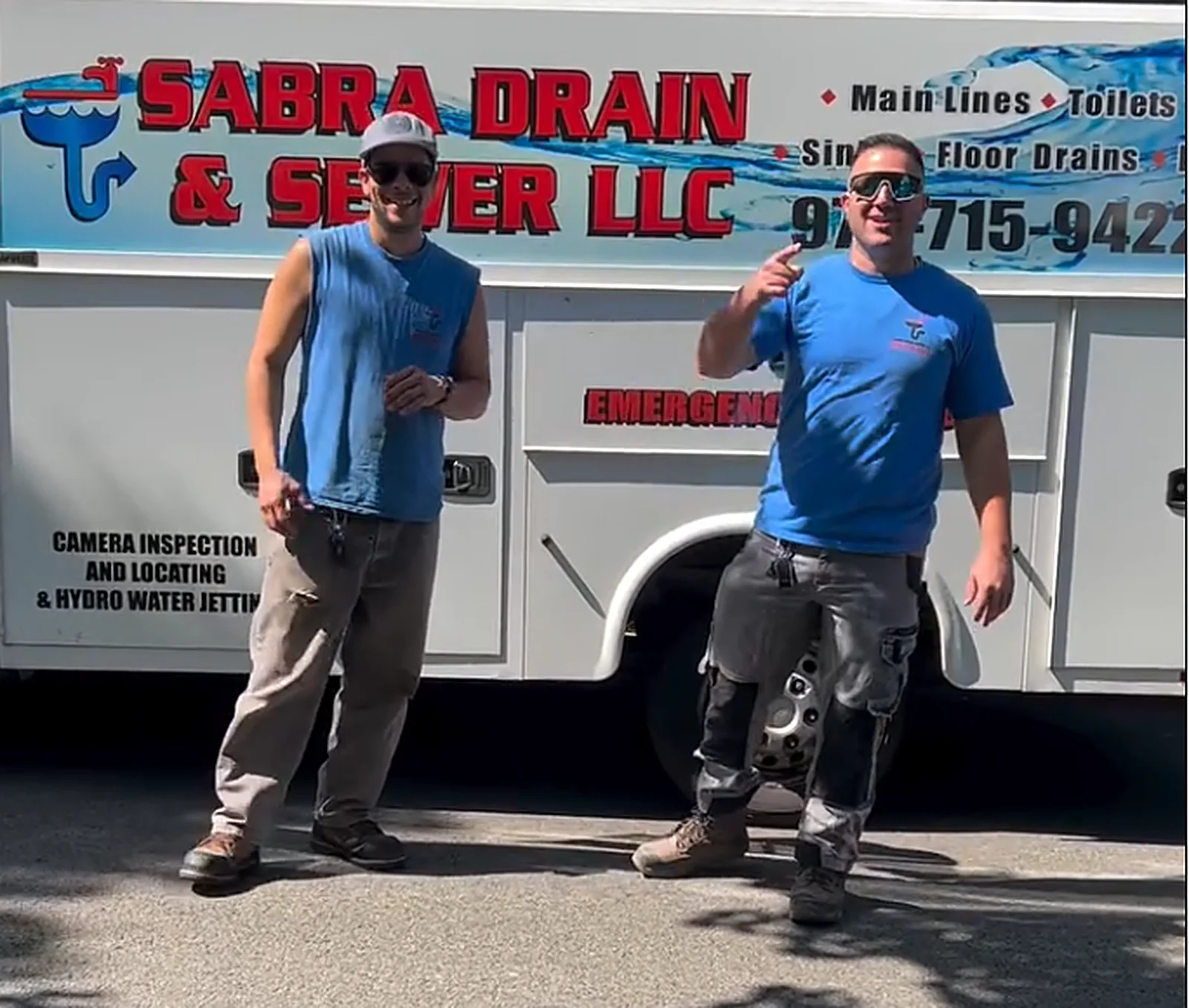
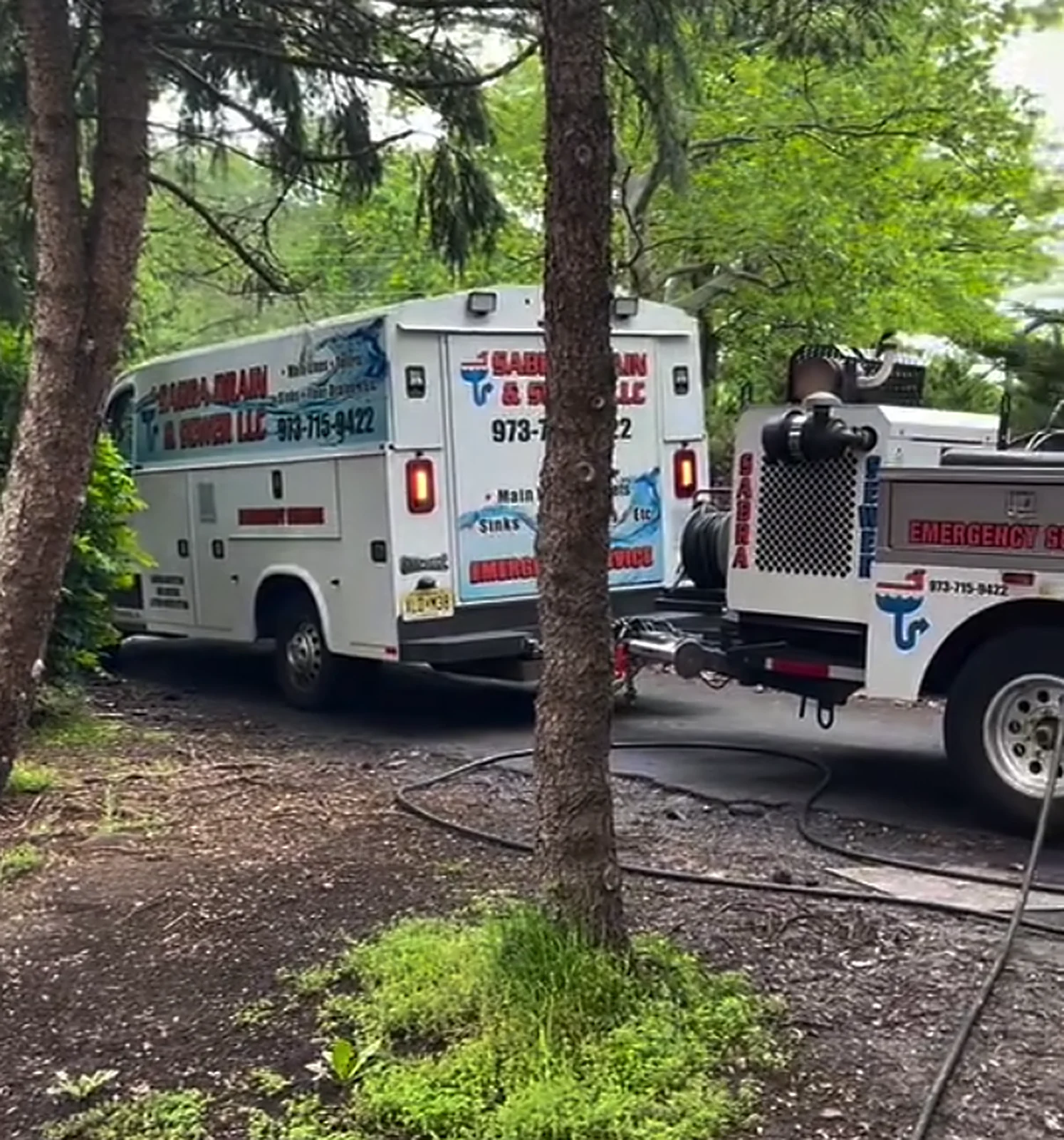
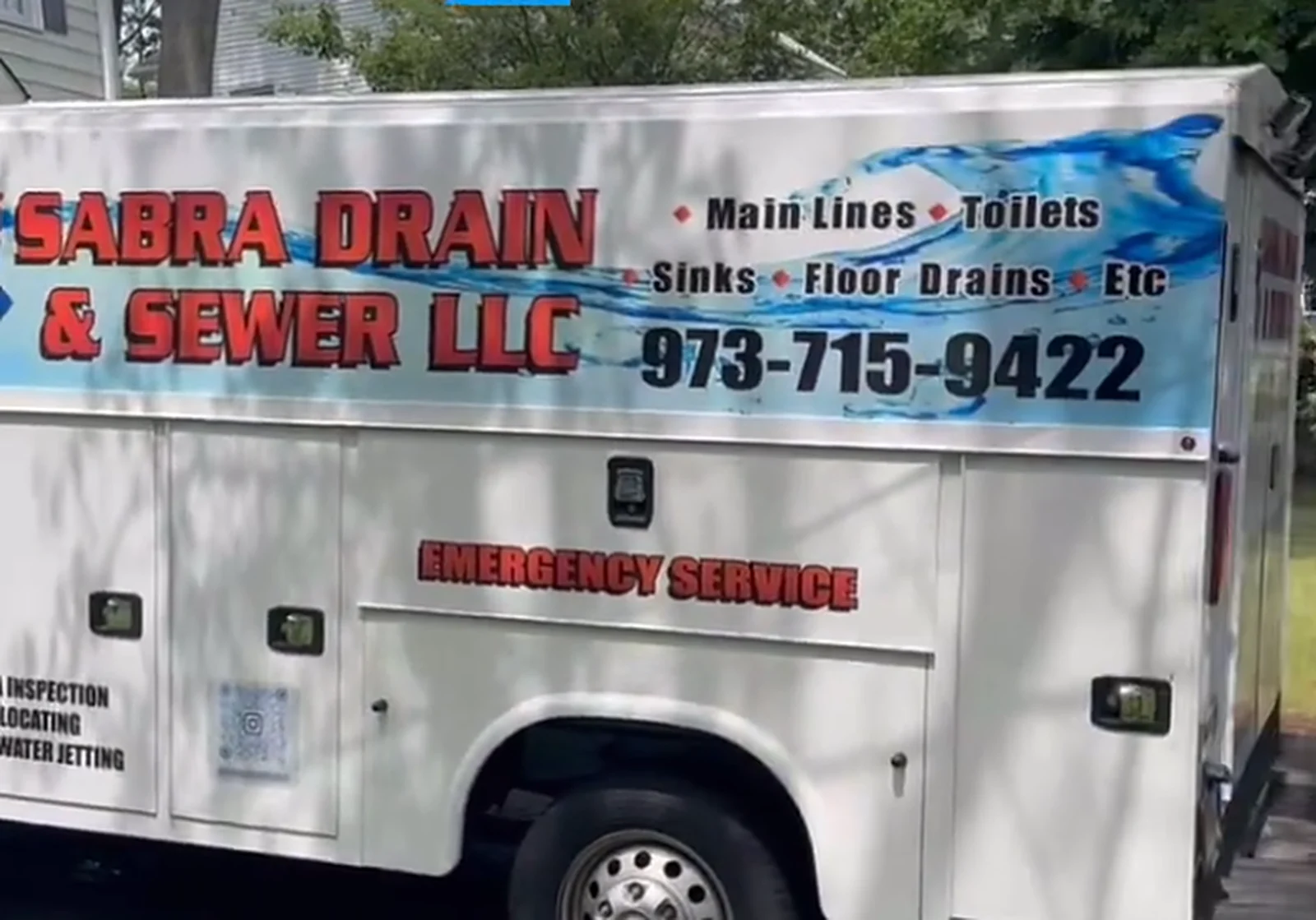
Ready when you are
Need Sewer Line Cleaning in Kenilworth?
Family-owned, 40+ years of experience and 24/7 emergency service. Call Sabra Drain & Sewer today.
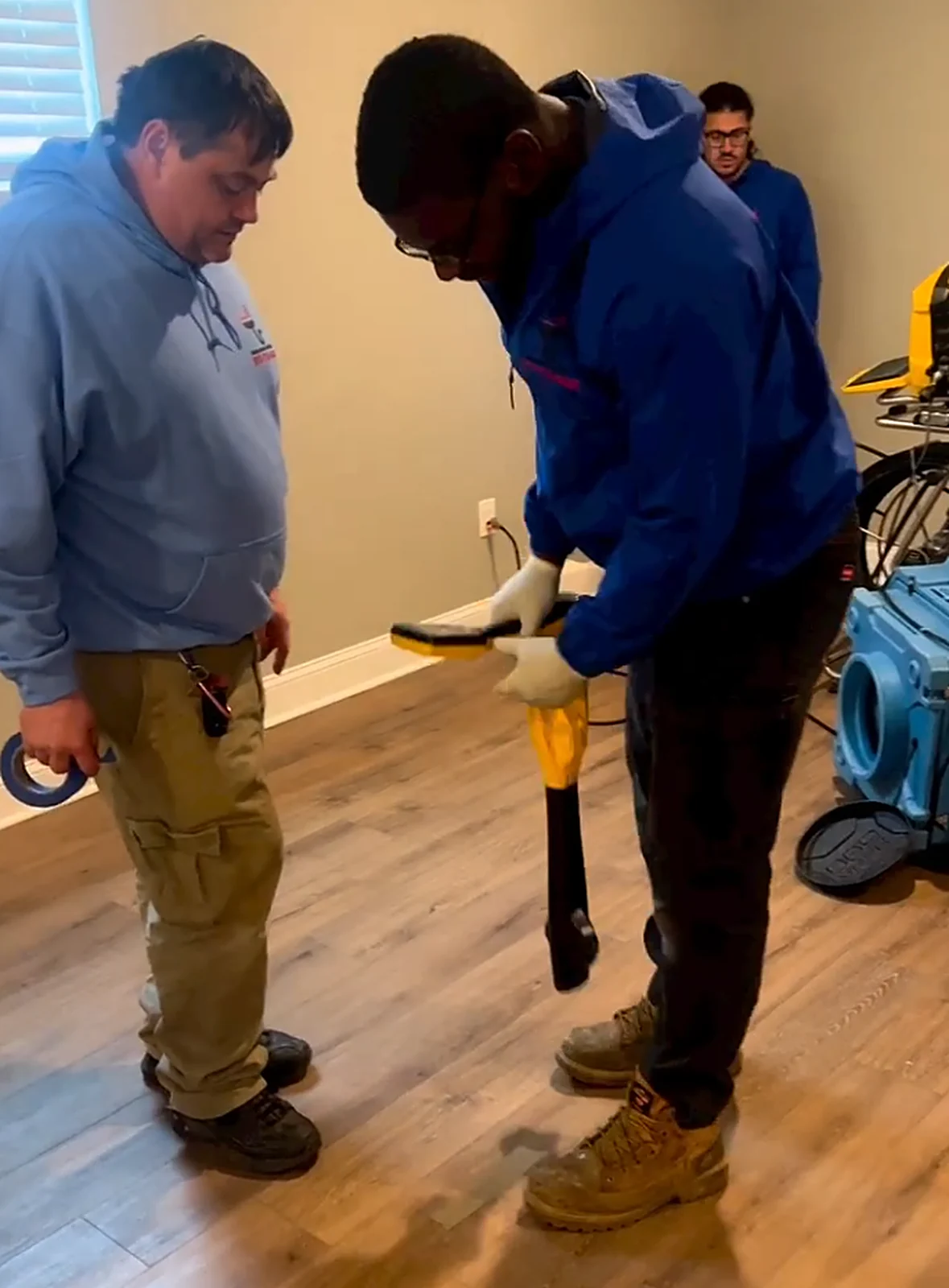
Talk with the local team
Request Sewer Line Cleaning & Hydro-Jetting
Call 973-715-9422 or email sabrasewer@gmail.com. Available 24/7 for emergencies.